






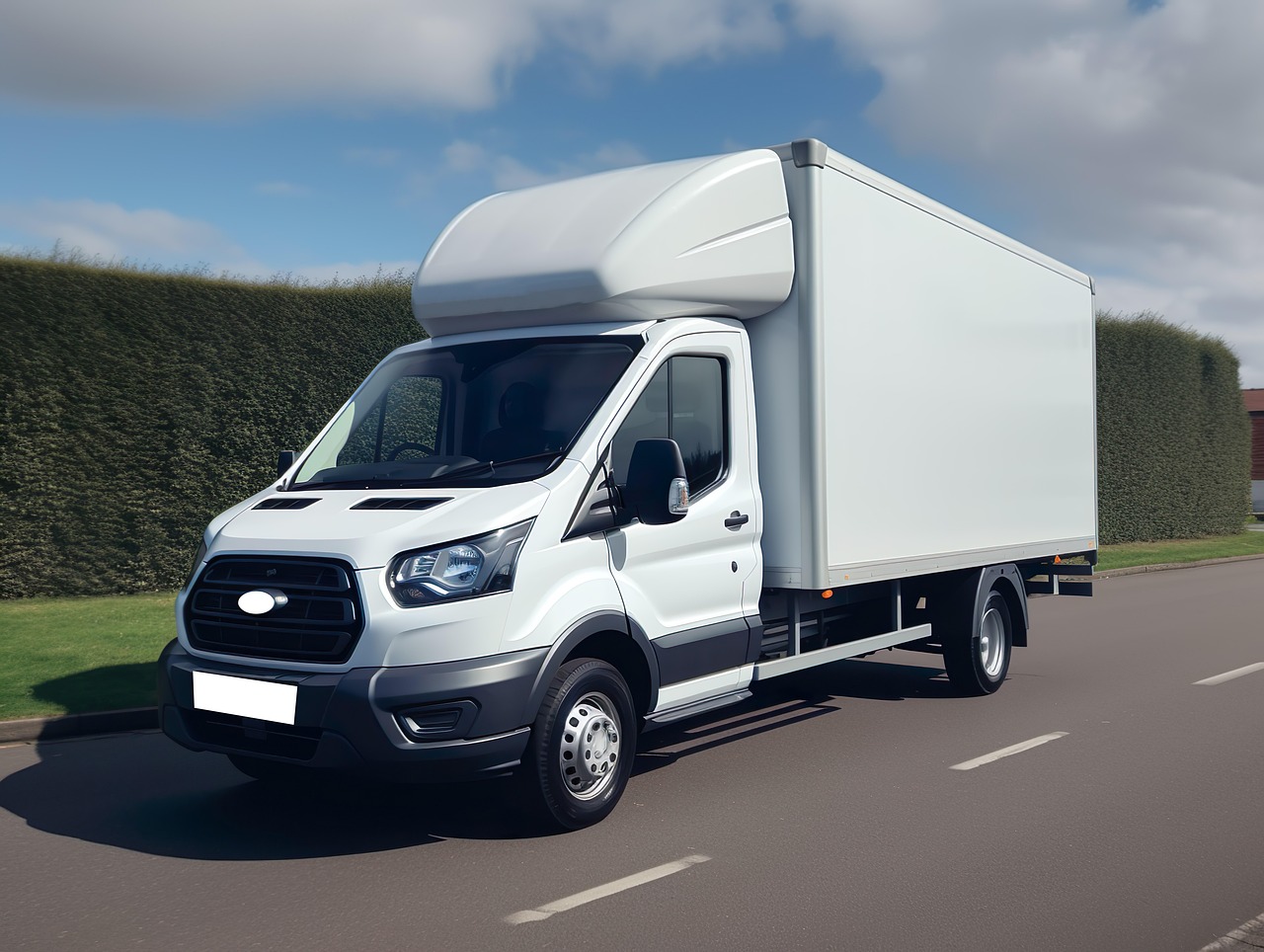
Shipping a vehicle to a rural or remote location introduces different challenges than transport between major cities. Limited carrier access, longer routing distances, and fewer scheduling options all affect how car shipping works in these areas. Understanding these factors helps set realistic expectations and prevents unnecessary delays.
This article explains how car shipping is handled for rural destinations and what matters most when planning transport outside major population centers.
Why Remote Locations Require Different Planning
Car shipping relies on carrier networks that are designed around efficiency and route density.
Lower Route Volume
Remote and rural areas see fewer transport requests than urban corridors. Because carriers prioritize routes where they can fill their trailers efficiently, shipments to less populated regions often require additional time to schedule.
Access and Road Conditions
Narrow roads, weight restrictions, and limited turnaround space can prevent large carriers from reaching exact addresses. These constraints are common in rural communities and influence how delivery is arranged.
How Auto Transport Works in Rural Areas
While the logistics process remains the same, execution often looks different.
Meeting at Accessible Locations
auto transport to remote areas may involve meeting the carrier at a nearby town, highway access point, or designated staging area. This approach allows carriers to operate safely while still completing delivery efficiently.
Flexible Pickup and Delivery Windows
Flexibility is especially important for rural routes. Wider windows allow carriers to incorporate remote stops into longer routes without disrupting overall scheduling.
Cost Factors Unique to Remote Shipping
Pricing reflects the additional logistics involved.
Distance Beyond Major Corridors
Even when the overall mileage is not extreme, travel beyond major highways can add time and fuel costs. Reviewing a realistic car shipping cost estimate helps account for these factors.
Limited Carrier Availability
Fewer carriers service remote regions regularly. When availability is limited, pricing may reflect the need for route adjustments or repositioning.
International and Northern Destinations
Some remote shipments involve crossing borders or reaching northern regions.
Shipping Within Canada
Canada car shipping to rural or northern areas often requires additional planning due to long distances and seasonal weather conditions. Winter travel can further affect timing and routing.
Weather and Seasonal Constraints
Snow, ice, and road closures are more common in remote regions. Allowing buffer time during winter months helps keep expectations realistic.
Common Misunderstandings About Rural Car Shipping
A common misconception is that remote shipping is unreliable. In reality, it simply requires more planning and flexibility. Another misunderstanding is that rural deliveries always cost significantly more, when pricing depends heavily on timing and route alignment.
Frequently Asked Questions About Shipping to Remote LocationsDoes car shipping take longer in rural areas?
It can. Lower route density often means additional time is needed to schedule a carrier.
Will the car be delivered directly to my address?
Not always. Delivery may occur at a nearby accessible location if the address cannot accommodate a large carrier.
Is flexible scheduling important
The Challenges of Rural Car Shipping
Shipping a vehicle between major hubs like New York and Los Angeles is a relatively streamlined process. The interstate highways are wide, carriers are plentiful, and schedules are consistent. However, when the destination is a small town, a mountainous region, or a remote farmstead, the logistics of auto transport shift dramatically. Shipping a vehicle to a rural or remote location introduces a unique set of hurdles that require careful planning and adjusted expectations.
The Problem of Accessibility
The primary challenge in rural transport is limited carrier access. Most car haulers use massive 75-foot multi-car trailers. These “rigs” are designed for open highways and large commercial lots; they are not built for narrow, winding country roads, low-hanging branches, or dirt paths with soft shoulders.
In many remote cases, a carrier simply cannot reach the customer’s front door. This often necessitates a “meet-and-drop” arrangement, where the owner meets the driver at a more accessible location—such as a large grocery store parking lot or a truck stop off the nearest main highway.
Routing Distances and Timing
In major cities, carriers can pick up and drop off multiple vehicles in a small radius, making the route profitable and efficient. Remote locations are often “off-route,” meaning a driver must divert significantly from their primary path to reach a single customer.
This leads to two major impacts:
Fewer Scheduling Options: You won’t find a daily carrier heading to a remote corner of Wyoming or the Maine woods. You may have to wait weeks for a driver who happens to be passing through that specific region.
Increased Costs: Because the driver is racking up “empty miles” or spending extra fuel and time to reach a remote spot, they will charge a premium. Logistics companies must incentivize drivers to take these less convenient routes.
Setting Realistic Expectations
Understanding these factors is the key to a stress-free experience. If you are planning a move to a remote area, flexibility is your greatest asset. Narrow delivery windows are rare in rural shipping; instead, expect broader “windows” of time for arrival.
Additionally, it is vital to communicate the exact nature of the terrain to your shipping broker. If there are low bridges, weight-restricted roads, or unpaved surfaces leading to your home, providing this information upfront prevents the carrier from arriving and realizing they cannot physically complete the delivery, which often results in “dry run” fees.