






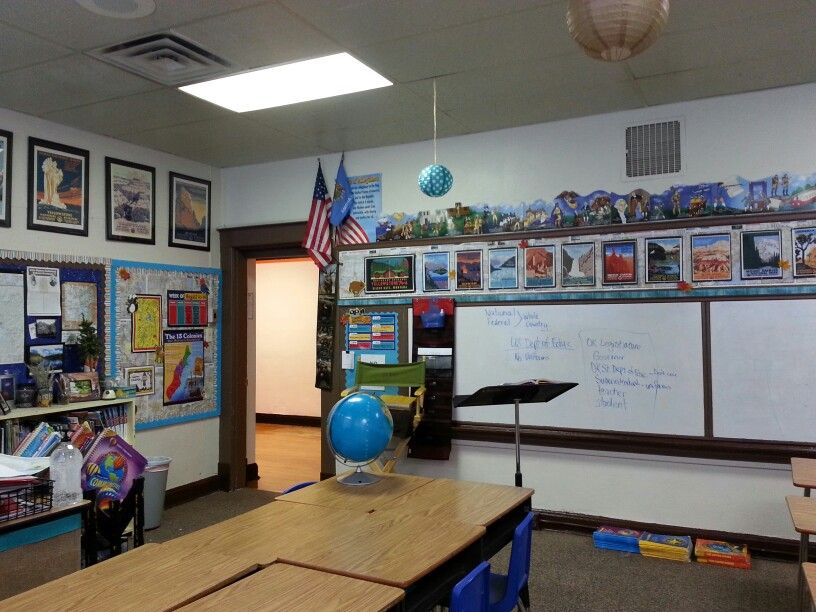
Are you planning a move, or just looking at new school systems? If you have spent any time researching schools lately, you’ve probably run into the phrase “classically inspired” and wondered what it actually means in practice. It sounds a little vague at first, maybe even a bit academic in a stuffy way. But once you dig into it, the idea behind a classically inspired school is actually pretty grounded, and honestly kind of refreshing compared to a lot of the trend-chasing that education has been through over the past couple decades.
At its core, a classically inspired school borrows from teaching methods that have been around for centuries, things like reading great literature closely, memorizing meaningful material, learning to speak and argue clearly, and studying language at a deeper level than just vocabulary lists. It’s not about recreating a one-room schoolhouse from the 1800s. It’s about taking teaching approaches that have quietly worked for generations and weaving them into a modern classroom instead of discarding them for whatever’s newest.
Immanuel Lutheran School in Loveland, Colorado is a good example of how this actually plays out day to day, and they’re upfront about what the term does and doesn’t mean for them. On their site, they explain that being classically inspired means intentionally incorporating time-tested educational practices that help students grow in truth, character, and wonder. That’s a nicely specific way of putting it. It’s not just “we use old methods,” it’s “we use methods that have proven, over a long stretch of time, that they actually build something lasting in kids.”
One thing that stands out is how careful schools like this are about the label itself. Immanuel actually says outright that they aren’t a classical school in the strict sense. They’re a Christ-centered school that pulls classically inspired elements into their existing model, rather than building the entire program around classical education as its own rigid system. That distinction matters more than it might seem. A fully classical school tends to follow a specific, often quite structured curriculum built around stages of learning, sometimes referred to as the trivium, and it can come with a fairly strict academic culture. A classically inspired school, on the other hand, borrows the parts that work well and blends them into a broader approach that might also prioritize relationships, faith, or a specific community culture just as much as the academic structure itself.
Table of Contents
Key Features in the Classroom
So what does that actually look like in the classroom? A few things tend to show up consistently across classically inspired schools, even outside of any one specific example.
Reading real literature, not just excerpts or leveled readers, is usually front and center. Kids read whole books, often ones that have stood the test of time, and teachers lean into read-alouds even before students can read independently themselves. The idea is that stories shape character just as much as they build vocabulary, and there’s something to that. A kid who’s spent years hearing and discussing stories about courage, sacrifice, and hard choices tends to think about those concepts differently than a kid who’s mostly worked through disconnected reading comprehension worksheets.
Memorization also plays a bigger role than you’d find in a typical modern classroom. This one throws people off sometimes, because rote memorization got a bad reputation over the years as being mindless or old-fashioned. But in a classically inspired school, memorization usually isn’t the end goal, it’s a tool. Committing poetry, scripture, or key facts to memory gives students a mental library they can pull from later when they’re trying to think through something more complex. You can’t analyze a poem deeply if you don’t actually know it. You can’t make a persuasive argument if you don’t have facts readily available in your head instead of buried in a search bar.
Speaking and communication get serious attention too, and this is one of the more noticeable differences if you’re used to a more conventional school setup. Younger students might start with simple show-and-tell or reciting short passages, and by the time they’re in upper grades, they’re doing formal presentations, defending positions in discussions, and learning to disagree respectfully while still making a clear point. It’s less about polish and more about building the confidence and clarity to actually say what you think and back it up.
Latin shows up surprisingly often in classically inspired schools too, which tends to raise eyebrows from parents who assume it’s a dead language with zero practical use. But the reasoning behind it is more interesting than people expect. Studying Latin strengthens a student’s grasp of English vocabulary and grammar since so much of English is built from Latin roots, and the structured, logical nature of the language tends to sharpen problem-solving skills in a way that carries over into other subjects. It’s less about fluency in Latin itself and more about the mental discipline that comes from learning it.
There’s also usually a strong emphasis on beauty and craftsmanship, especially in the arts. Instead of art class being purely about self-expression or filling time, a lot of classically inspired schools frame it as an opportunity to notice detail, observe carefully, and create with real intention. Students are encouraged to slow down and actually look at things closely, whether that’s a painting, a piece of music, or the natural world around them.
The K-12 Progression
Now, a K-12 classically inspired school specifically covers a lot of developmental ground, and the approach tends to shift as kids get older, which makes sense. In the early years, it might look like simple storytelling, memory work, and basic speaking practice. By middle school, students are usually writing more analytically and engaging with more complex discussions. High schoolers in a K-12 classically inspired school are often doing formal presentations, Socratic-style discussions, and defending ideas with actual evidence instead of just opinions. The whole arc builds toward students who can think clearly, communicate persuasively, and engage seriously with difficult material, rather than students who just memorized facts for a test and moved on.
Common Misconceptions and Variations
One thing worth clearing up, because it comes up a lot, is that being classically inspired doesn’t automatically mean strict or rigid. There’s an assumption that any school leaning on older educational traditions must come with a heavy-handed, no-nonsense culture. That’s not necessarily the case. A school can absolutely combine deep academic expectations with a warm, supportive environment. In fact, a lot of classically inspired schools intentionally push back on the idea that rigor and warmth are opposites. Strong academics and genuine relationships can exist in the same building without one canceling out the other.
It’s also worth noting that not every classically inspired school is religious, even though a lot of the more well-known examples, Immanuel included, build their approach around a faith-based framework. The classical elements, literature, memorization, rhetoric, language study, can just as easily sit inside a secular curriculum. What tends to vary more is the “why” behind the approach. A faith-based classically inspired school might frame memorization and rich literature as tools for building character and wisdom rooted in a specific worldview. A secular one might frame the same practices purely around critical thinking and a well-rounded education. The methods overlap more than people expect, even when the underlying philosophy doesn’t.
What This Means for Families
If you’re a parent trying to figure out whether this kind of school is a fit for your kid, it might help to think less about the label and more about the daily experience. Does the school actually prioritize deep reading over surface-level coverage of a hundred different topics. Do students get real opportunities to speak, discuss, and defend their thinking instead of just absorbing information passively. Is there room for both strong academics and an environment where kids feel genuinely known and supported, not just pushed to perform.
A classically inspired school isn’t chasing a trend or trying to recreate the past for nostalgia’s sake. It’s making a bet that certain old methods, reading deeply, memorizing meaningfully, speaking clearly, studying language carefully, still do something for kids that a lot of newer approaches haven’t quite replaced. Whether that bet is the right one for your family probably depends less on the label itself and more on how well it’s actually carried out in the classroom, which is worth seeing in person if you’re seriously considering it for your own kids.